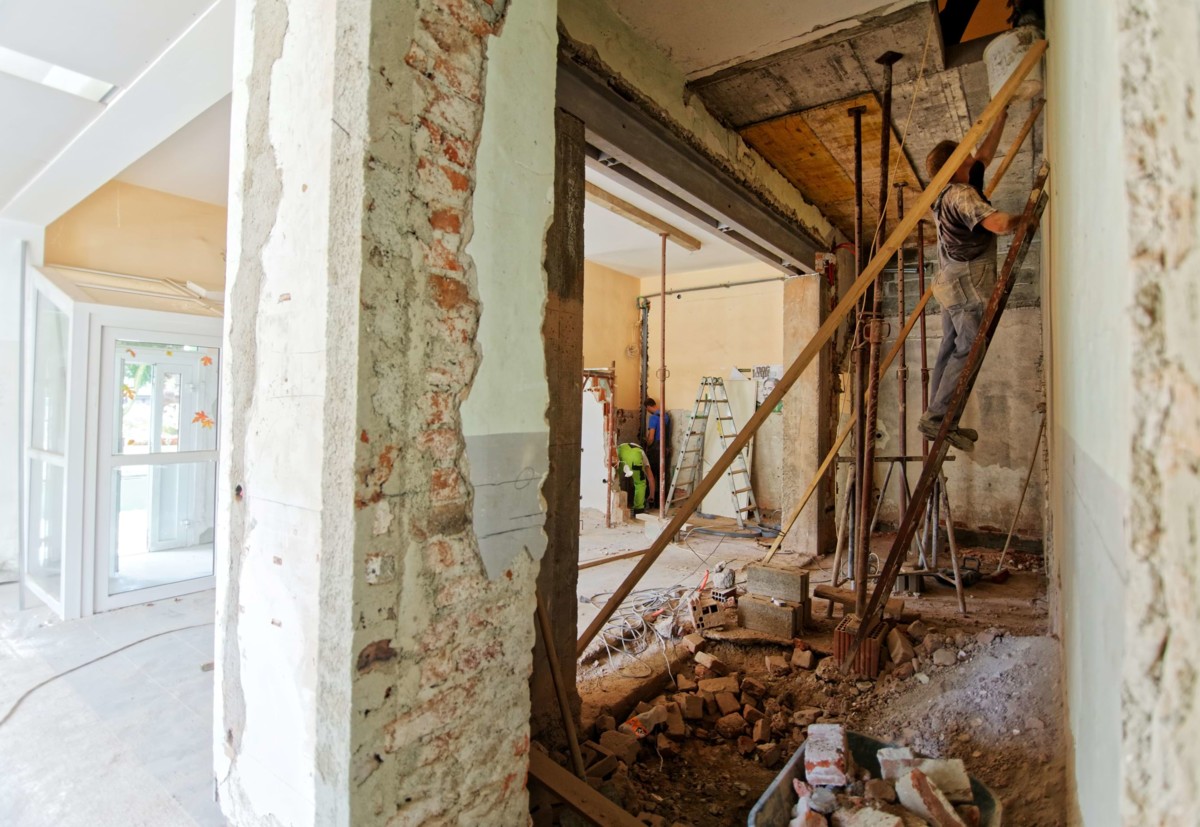
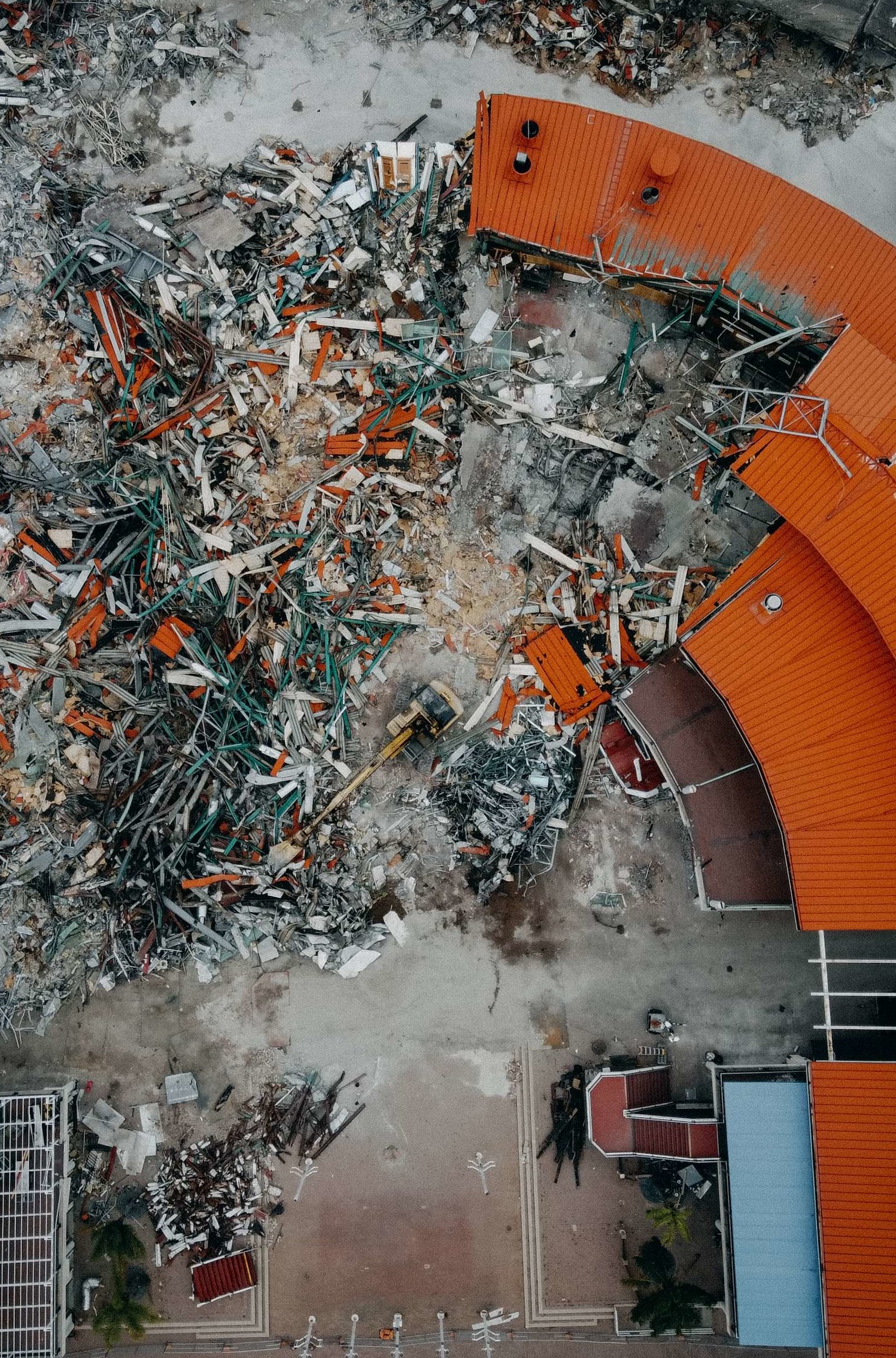
Where? Switzerland is the perfect case study. As a small country with a lot of construction activity, it is ideally suited for this pilot project. The innovative approach of crowd-based storytelling with the CrowdNewsroom has already been tested in Switzerland on other issues with encouraging results. The ultimate goal of the project is to promote urban communities by maintaining cities as places of social identification and to drastically reduce the climate impact of the building sector through a transition based on best practice within the industry. The international presentation of the project and its findings should allow similar research to be carried out in other countries. Put together, the positive impact on the climate through the preservation of more building stock and its climate-friendly renovation is an important factor, alongside clean construction, in making construction more climate friendly.
Switzerland is the perfect case study. As a small country with a lot of construction activity, it is ideally suited for this pilot project. The innovative approach of crowd-based storytelling with the CrowdNewsroom has already been tested in Switzerland on other issues with encouraging results. The ultimate goal of the project is to promote urban communities by maintaining cities as places of social identification and to drastically reduce the climate impact of the building sector through a transition based on best practice within the industry. The international presentation of the project and its findings should allow similar research to be carried out in other countries. Put together, the positive impact on the climate through the preservation of more building stock and its climate-friendly renovation is an important factor, alongside clean construction, in making construction more climate friendly. So far the project has already been upscaled to Germany together with NGOs, with already more than 1,500 entries in the German demolition map, called Abriss-Atlas.de.
Who? TPF’s partner in the project is the CORRECTIV CrowdNewsroom, a non-profit newsroom based in Bern that facilitates journalistic investigations on social grievances, allowing many individuals to participate. Its core is a digital platform where information can be shared in a secure and confidential way. CORRECTIV CrowdNewsroom aims to mobilize a network of partners for this project that includes architects and the construction industry.
When? The first phase of the campaign has been carried out in 2022 and early 2023, supported by a grant of CHF 45,000 from the Toni Piëch Foundation. In early 2023, the project entered its second phase, the main campaign phase, which was supported by a grant of CHF 70,000 from the Toni Piëch Foundation. From 2024 until early 2025, Toni Piëch Foundation supported the final phase of the project by a grant of CHF 60,000. In addition, TPF co-financed a Correctiv journalist in Germany with 20,000 CHF to support the storytelling around the German demolition map.
The project has been successfully implemented.