WHO IS THINK CITY?
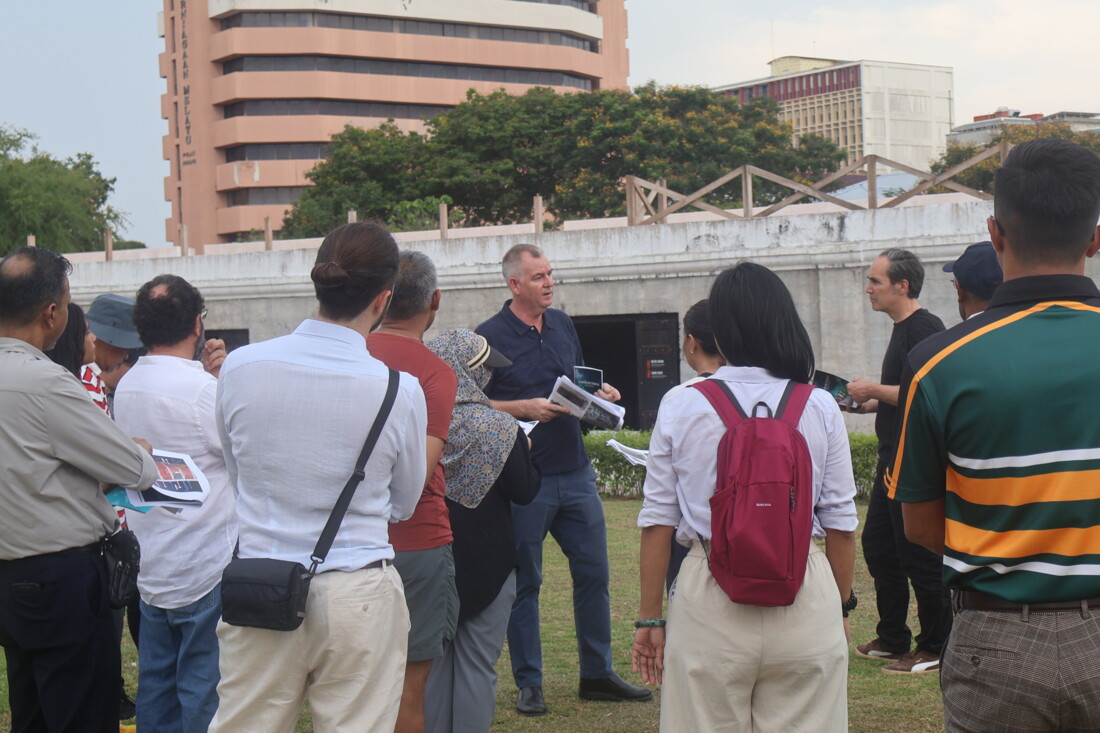
Think City pairs policy advice with work on the ground. Founded in 2009 as a subsidiary of Malaysia's sovereign wealth fund, it built its reputation regenerating historic city centers alongside local authorities, residents, and the private sector, and through their focus on nature-based solutions. Several projects were conducted in George Town, which is why the city was chosen to host the first Future of Cities Lab: participants can walk through completed projects and see the results in place rather than on slides. Its track record makes Think City well suited to facilitate exchanges on urban innovation and climate resilience on a larger scale across Southeast Asia.
WHY THIS MATTERS
Buildings and construction account for around 37 percent of global CO₂ emissions, and half of the buildings that will stand in 2050 have yet to be built or renovated. In Southeast Asia, where 53 percent of people already live in urban areas and that share is set to reach roughly two-thirds by 2050, many of those decisions are still open. How we build and renovate will not only heavily impact global carbon emissions, but also set energy bills, indoor comfort, and running costs for decades. Further, the tropics are exposed to increasingly frequent extreme weather events, like heatwaves or flooding, thus increasing resilience now can prevent large-scale losses of lives especially in aging, or subpar-quality neighborhoods.
WHAT’S THE APPROACH OF THE FUTURE OF CITIES LAB?
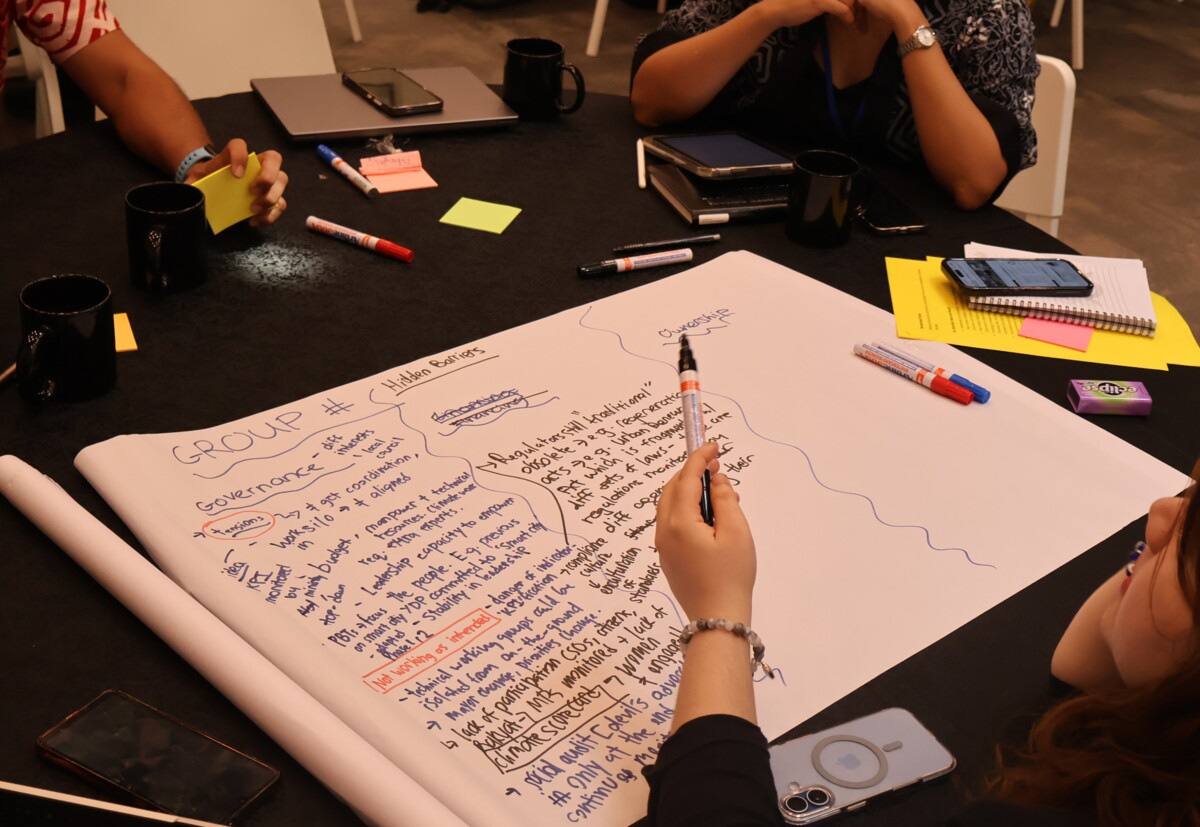
The Future Cities Lab runs over three years, one edition per year, each built around a different theme. The first took place in George Town from April 27 to 30, 2026, on resilient infrastructure and climate solutions, drawing 30 to 40 participants a day from local government, civil society, research, and technical practice. A Resilience Playbook and a series of online formats follow later in 2026, carrying what happened in one room to cities that were not in it.